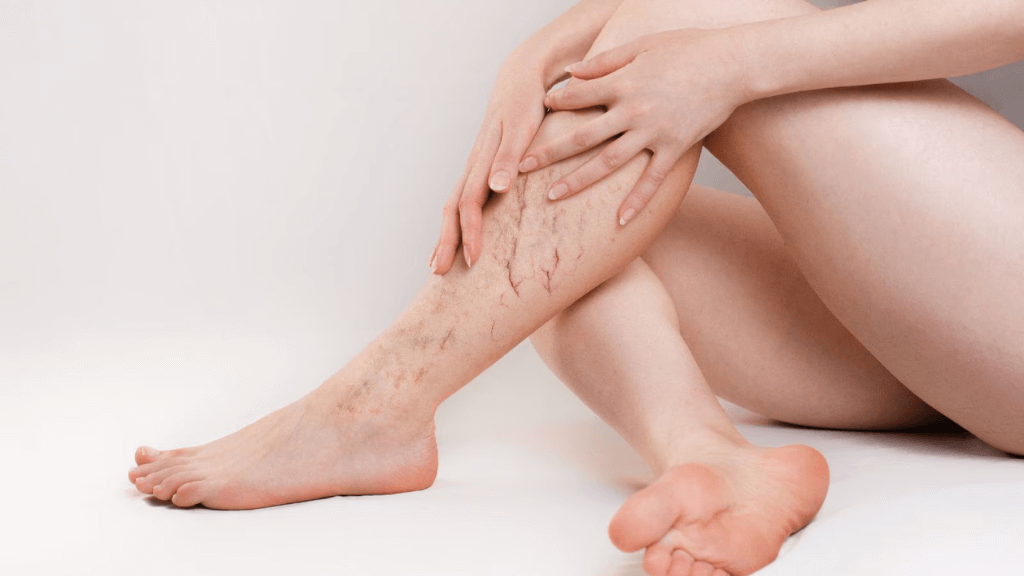
Thanks to modern aesthetic treatments, you can effectively minimise spider veins on your legs non-invasively.
Let’s learn more about these treatments, how they work, and what treatment schedule or recovery time you could potentially be looking at.
Who Is Generally Affected By The Condition?
Ageing adults, women, people with a family history, and pregnant women are among the groups most commonly affected by spider veins. Worldwide, approximately 30 to 60% of adults may develop some form of spider veins during their lifetime. In the UK, approximately 50 to 55% of women and 40 to 45% of men will experience them at some point.
Of course, spider veins tend to become more common with age, as veins weaken and our skin loses its elasticity. Hormonal changes during pregnancy, puberty, or menopause can further increase the risk. For example, increased blood volume and hormonal fluctuations during pregnancy can cause veins to swell, making spider veins more visible.
Lifestyle and physical factors also play a role. When examining jobs that require prolonged standing or sitting, such as nursing, teaching, or retail work, spider veins are often more noticeable. This is because prolonged standing can cause blood to pool in the legs, which contributes to the visibility of varicose veins. Similarly, extra pressure on the leg veins, often seen in individuals who are overweight, can also increase the likelihood of developing spider veins.
But are they treatable? The short answer is yes, and here are some of the treatments we offer:
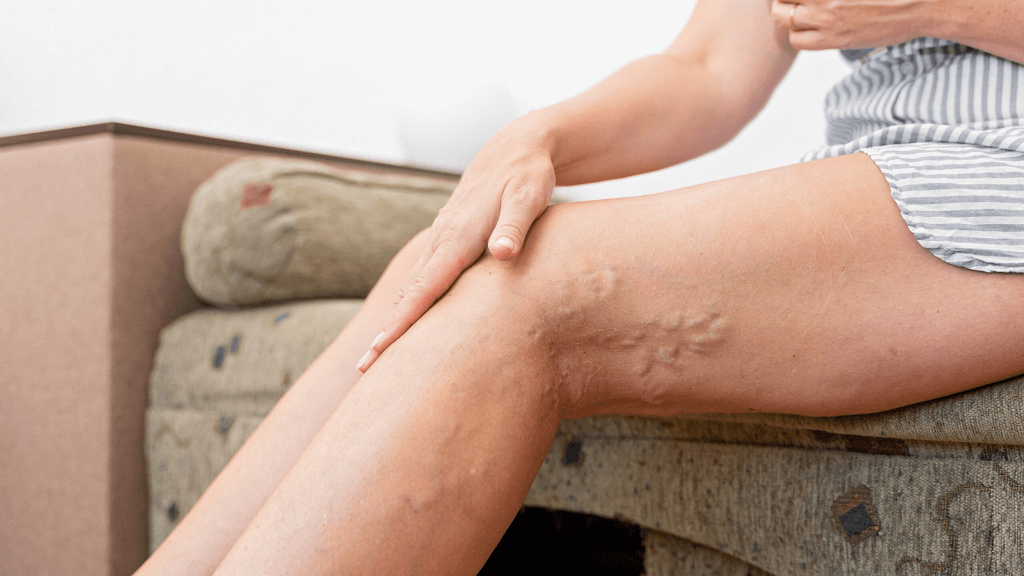
Laser Thread Vein Reduction
This highly advanced treatment, performed using Alexandrite and Nd: YAG lasers, can remove veins commonly found on the legs (or face) that are approximately 1 to 3 mm in diameter. These lasers are designed to target particular vessels using specific wavelengths, which are absorbed by your blood. it works, because the haemoglobin in the veins absorbs the heat caused by the lasers, which causes the veins to break down and collapse, resulting in smoother, clearer skin.
Plus, the entire procedure is quick and can often be completed during your lunch break. No local anaesthetic is needed, and the recovery time is generally around 5 to 7 days. Laser treatment for spider veins also boasts success rates of 80 to 90% for small to medium-sized veins. According to a study by RenovoMD, many patients experience noticeable improvement after just one or two sessions. However, depending on your goals, the number of sessions required may differ.
Microneedling (Collagen Induction Therapy)
Microneedling is another aesthetic treatment used to help treat superficial spider veins. Commonly associated with the face, microneedling is a versatile treatment that can be used on various parts of the body.
Our microneedling procedure involves using fine needles to create controlled micro-injuries in the skin, stimulating collagen production and improving overall skin texture. While professional microneedling does not directly eliminate veins like laser therapy does, it can help reduce the visibility of fine veins, making them less prominent.
Intense Pulsed Light (IPL) Therapy
Intense Pulsed Light therapy uses broad-spectrum light to target pigmented or vascular lesions. The intense pulsed light gently penetrates the skin without damaging the surface. This makes it particularly useful for individuals with lighter skin tones, as it selectively targets the blood vessels while leaving the surrounding tissue unharmed. Recovery takes approximately one week, and the treatment is well-tolerated, as no local anaesthetic is required.
Interestingly enough, IPL was originally developed for treating leg telangiectasias. This is before IPL Photofacial Rejuvenation was developed to treat facial skin concerns, highlighting its long-standing historical application and acceptance in this area.
Sclerotherapy
Last but not least, the gold standard in spider and thread vein removal is Sclerotherapy. This treatment is widely regarded as the most effective treatment for combating spider veins. It is a minimally invasive procedure that involves injecting a solution directly into the affected veins, causing them to collapse and be gradually absorbed by the body.
The entire procedure typically takes 15 to 30 minutes per session, depending on the number of veins being treated. The treatment is particularly effective for veins smaller than 3 millimetres in diameter.
In fact, research indicates that sclerotherapy can effectively remove spider veins in approximately 75% to 90% of cases. Larger reviews confirm that it not only closes the treated veins but also helps relieve symptoms like pain, heaviness, and swelling, with improvements lasting a year or more. However, most importantly, in most cases, 80% to 95% of patients report being very happy with their results.
Spider Vein Removal: What To Remember
Aesthetic treatments for spider veins, particularly on the legs, require skill and experience. Therefore, it is essential to always schedule a consultation with a qualified professional before booking your appointment. This allows a skilled eye to evaluate the severity of your veins, recommend suitable treatment options, and ensure safe and effective results.
Disclaimer: The information provided regarding spider veins has been medically reviewed. However, it is not a substitute for professional medical advice, diagnosis, or treatment provided during a consultation with a qualified healthcare provider.


Author