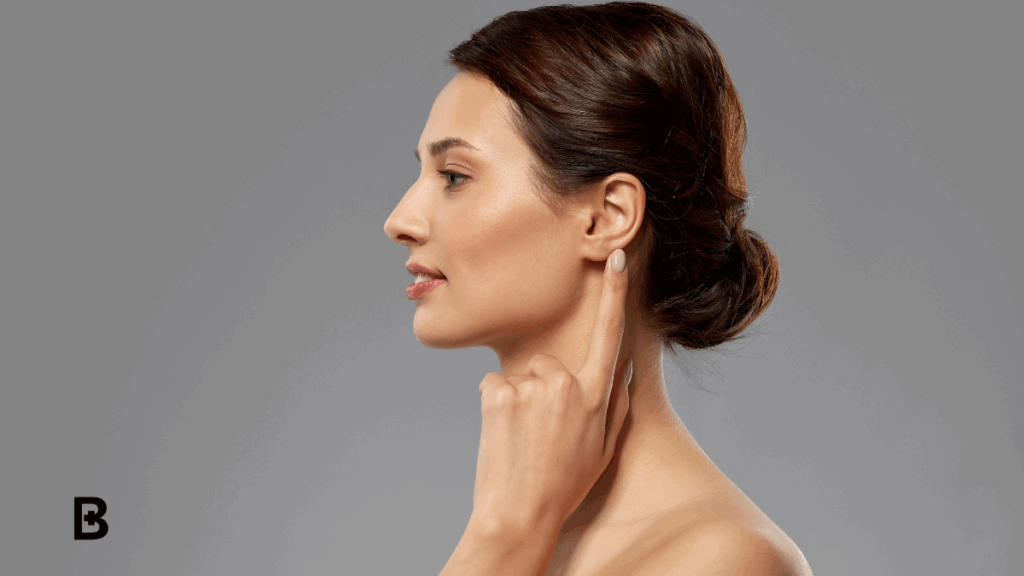
Earlobe repair refers to a minor surgical, yet minimally invasive, procedure that helps restore the volume or shape of damaged, elongated or sagging lobes typically caused by ageing, trauma, or the continuous wear of heavy earrings. In fact, studies have actually shown that up to 35% of people who regularly wear heavy earrings experience some form of earlobe stretching or damage over time.
And this procedure is relatively common. In early 2025, multiple UK clinics reported a surging demand for treatments regarding earlobe repair.
If you previously had an injury to your earlobe/s, for example, from earrings being accidentally pulled by young children or caught on clothing, had them stretched for aesthetic reasons, or if you are simply not happy with their current appearance, we can help.
At Bodyvie, our medical director, Dr Andrew Weber, has an extensive background in minor operations to safely treat overstretched or torn earlobes with great success.
So, join us as we walk you through what you need to know about restoring youthful plumpness and the overall shape of your ears.
Earlobe Restoration In A Nutshell
The reality is, our earlobes, though small, play a significant role in framing our face. And earlobe damage can include (but not limited to) stretched holes, small tears, or even a complete split in the earlobe.
Luckily, an earlobe correction procedure offers a highly effective way to restore the natural appearance of the earlobe, and is usually quick (lasting between 15 and 60 minutes, depending on the extent of the damage). It is also performed under local anaesthesia and has a high success rate, with over 90% of patients reporting satisfaction with their overall results.
What you can expect during your appointment is one of our team members cleaning your earlobe using an antiseptic solution. We then proceed by applying a local anaesthetic to help minimise any potential discomfort. Once completely numb, a small amount of the skin around the tear or stretched hole is carefully removed. Afterwards, your earlobe/s is stitched back together. The stitches, of course, help keep the newly shaped earlobe in place, as well as promote optimal healing. Simple because our aim is always to create a beautifully restored earlobe with minimal scarring. Dr Weber also takes special care to align the lower edge of your earlobe to avoid notches or uneven contours, ensuring a smooth, natural-looking result.
Public Figures Who Have Opted For The Procedure
1. Khloé Kardashian
In 2021, Khloé Kardashian allegedly admitted she had her earlobes made smaller because wearing heavy earrings had stretched them out. She also shared that she felt self-conscious about how they looked in pictures. And, that is understandable, especially when one is constantly in the public eye.
2. Kris Jenner
In an episode of the famous reality TV show, Keeping Up with the Kardashians, Kris Jenner underwent earlobe reduction surgery. It is believed that she had the procedure as part of a broader effort to maintain a more youthful appearance, since her earlobes had become stretched over time.
3. Sharon Osbourne
Sharon Osbourne, known for being open about her cosmetic procedures, has reportedly had earlobe repair. According to online sources, years of wearing heavy jewellery contributed to her stretched lobes, which she wanted corrected.
4. Huda Kattan
The beauty mogul and founder of Huda Beauty revealed in a blog post and on social media that she tore her earlobe while removing an earring. She is not alone. Various studies have shown that up to 30 to 50% of women with pierced ears experience some form of earlobe damage during their lifetime, around the globe. Another study found that earlobe tears make up 63% of all cosmetic earlobe repairs performed.
Risks And Considerations
Though generally safe, earlobe repair, like all minor surgeries, comes with some risks.
Infection occurs in approximately 1 to 5% of cases and is usually manageable with antibiotics. Poor wound healing is seen in about 2 to 10% of patients and can be influenced by factors such as smoking, diabetes, or poor circulation. Mild asymmetry can occur in up to 10% of cases but is often correctable. Hypertrophic or noticeable scars develop in roughly 5 to 15% of patients, depending on individual healing tendencies.
Plus, recurrence of tearing happens in around 10 to 20% of cases, particularly if heavy or large earrings are worn too soon after surgery. However, when the procedure is performed by a skilled and experienced professional, the likelihood of these complications is significantly reduced, leading to better outcomes and greater patient satisfaction.
Summary And Outlook
Before undergoing surgery, it is essential to consult with a medical professional. This consultation helps assess the extent of the damage, set realistic expectations, and create a personalised treatment plan.
Although earlobe reconstruction is a minor surgical procedure, it can significantly improve both appearance and quality of life. Doctors, with their specialised knowledge of skin healing and aesthetics, are ideally suited to perform these procedures safely and effectively. Whether earlobe damage results from trauma, fashion choices, or ageing, patients now have access to a reliable, minimally invasive solution to restore their earlobes’ natural beauty.